The Cost of Poor Documentation and How to Fix It
- Paul

- Jun 23, 2025
- 4 min read
We often overlooked the crucial aspect of every business organization that is Documentation. Documentation bring up to the task of designing, organizing, and maintaining written or sometime digital documents or records that enlighten with valuable information about a particular project, policies, process, or system. It is a way to gather information which are accurately preserved and easily accessible for future use. To illustrate, in any organized institution, documentation may include operational manuals, policies and meeting minutes that help ensure consistency in workflows and compliance with legal standards.

In this present digitalized era, the pioneer of businesses or any other institutions constantly mis-prioritize in the physiognomy of fast development succession, compact deadlines, and the force to exert the features as quickly as possible. In between, critical documentation often becomes a retrospect in comparison to the teams racing to deliver products and scale system, where the documentation are kept relegate to the bottom of every task.
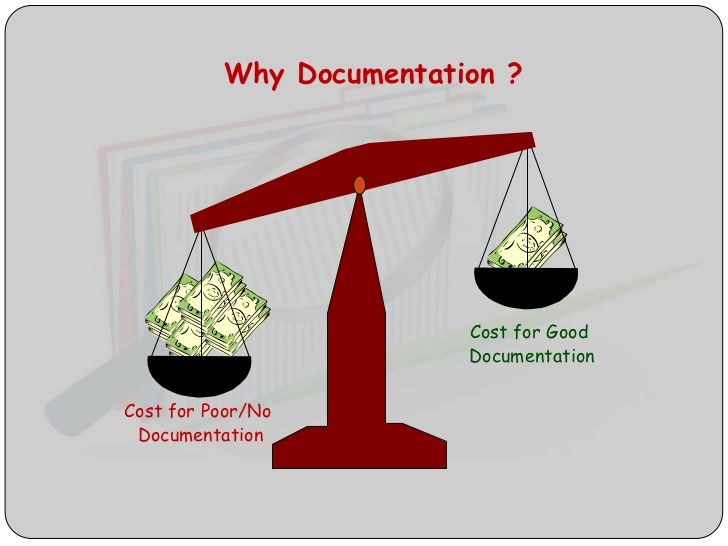
In this article we are going to discuss about what poor documentation exactly is and its consequences or impacts over a business and also to find solutions to fix it. "High-quality documentation is the backbone of success, empowering organizations to scale efficiently, withstand challenges, and drive sustainable growth."
What is Poor Documentation?
Poor Documentation is a notable hurdle to efficiency and success in any business organization or any institution. Poor Documentation often leads to errors, confusion, and mis-management of time, resulting hindrance to productivity and decision making. Frustration and delays are obvious not only to employees but also to customers and stakeholders, if documentations are inaccurate, incomplete, unclear, outdated, or disorganized. Moreover, failing to comply in clear, accessible, and up-to-date information or data documentation carries consequences far beyond repair and creates a pile of unanswered questions.

Hurdle Faced Due To Poor Documentation
Employers Productivity Drains:
Insufficient, outdated, or convoluted documentation leads to significant time wastage as developers attempt to comprehend the inner workings of a system.
Instead of focusing on innovation, engineers are bogged down in: Reconstructing legacy code; Uncovering hidden dependencies; and Awaiting responses from colleagues to clarify uncertainties.
Integration Hurdles:
The absence of comprehensive documentation forces them to seek information through unofficial means, gathering bits and pieces from various sources such as Slack conversations, undocumented team knowledge, and disorganized notes.

Enhanced Maintenance Demands:
When documentation is missing or unclear, it creates a ton of extra work for support teams.
Employers, Project Managers, and Developers get stuck answering the same questions over and over about how things are set up, weird edge cases, or why certain decisions were made.
Increased Error Probability:
Inadequate context leads to poor decision-making and errors.
Insufficient documentation hinders the improvement of legacy code.
Technical debt accumulates due to the inability to refactor or improve code.

"Lack of documentation is becoming a problem for acceptance."
Staff Exhaustion and Turnover:
When documentation is lacking, a few experienced team members end up being the go-to experts.
They're constantly being pulled into meetings and asked questions that should be easily answerable with proper documentation.
How To Fix Poor Documentation?
Documentation as a Key Deliverable: Maintain documentation throughout the development process. Rather than postponing documentation until the project's conclusion, create dynamic documentation that adapts and grows in tandem with your product, mirroring the evolution of your codebase.
Documentation Embedded in Workflow: The employee should include documentation as a crucial part of their development process. This means that whenever they make changes to their code or add new features, they should also update the documentation accordingly.
Automate where Possible, Customize as Needed: This emphasizes the role of visual elements in documentation. It should include both explanatory content and visual aids to facilitate a deeper understanding of the subject matter.

“Great documentation is readable, maintainable, and structured for everyone—developers, testers, and future contributors alike.” Write to Engage, Not to Exclude: Good documentation is helpful when it's easy to find, read, and understand. Try to avoid using complicated technical terms. Use a clear format, consistent words, and organize the content into sections. Include examples, special cases, and frequently asked questions.
Fostering a Documentation Mindset: Encourage your team to value good documentation. Acknowledge and reward team members who contribute to it. Make it easy for everyone to help by providing helpful tools. Work together on documentation through special sessions or events. Make sure everyone can give feedback so that the documentation stays accurate and clear.
Conclusion:
Poor documentation hinders efficiency and team cohesion. Treating it as a strategic investment improves product quality and fosters learning. Prioritize documentation to drive team success. Moreover, documentation is considered to be more than a group of sentences in a page. Poor Documentation will lead to errors and frictions everywhere, it derails productivity, contributes to team burnouts, etc. which will contribute to operational inefficiency and brittle the whole system that is beyond understanding and repair. Thus, high quality of documentation is not just a technical necessity but it’s reliable foundational infrastructure shall unlock the scales, resilience and growth.
Seeking dependable documentation solutions? The PrecisionPen team ensures accuracy and coherence at every stage.


Comments